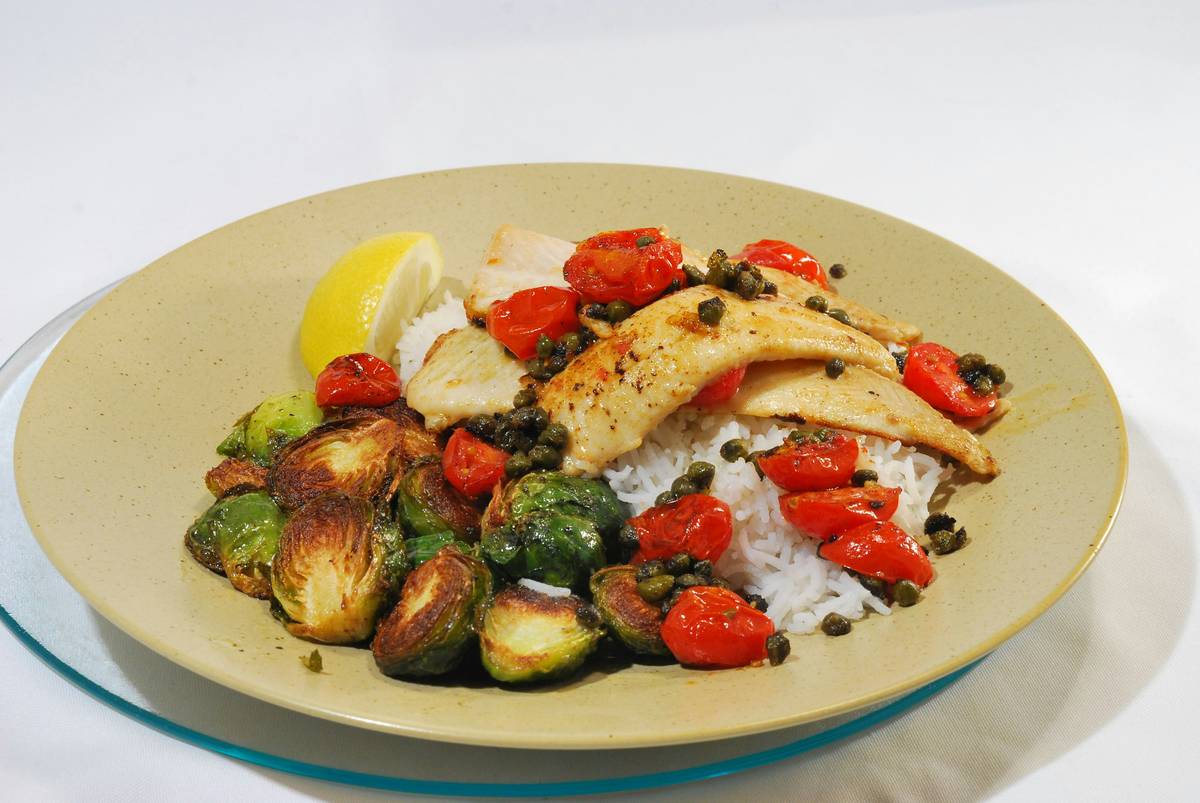
Ever followed a weight loss plan only to feel sluggish, hungry, and stuck? You’re not alone. When I first tried cutting calories while living near Lisbon’s Mercado da Ribeira, I skipped seafood altogether—thinking it was too “fancy” or “expensive”—and ended up crashing by mid-afternoon. Big mistake. Portuguese coastal cuisine taught me that the benefits of eating seafood aren’t just about flavor; they’re a metabolic secret weapon. In this guide, we’ll explore how lean fish like sardines, mackerel, and octopus can accelerate fat loss, boost energy, and support long-term health—all without extreme diets.
Table of Contents
- Why Seafood Matters for Weight Loss
- How to Choose and Prepare Portuguese Seafood
- Best Practices for Maximizing Nutrition
- Real Results from Real Diets
- FAQs
Key Takeaways
- Portuguese seafood is naturally low in saturated fat and high in protein, promoting satiety and muscle retention during weight loss.
- Omega-3 fatty acids in oily fish reduce inflammation linked to obesity, per research from the National Institutes of Health (NIH).
- Avoid breaded or deep-fried preparations—common tourist traps—that undo the benefits of eating seafood.
- Simple grilling or steaming preserves nutrients without adding empty calories.
- Consistent intake (2–3 servings/week) aligns with dietary guidelines from the U.S. Department of Agriculture (DietaryGuidelines.gov).
Why Seafood Matters for Weight Loss
Let’s be honest: most weight loss plans fail because they starve you of joy—and essential nutrients. But in Portugal, where fresh-caught fish lands on tables daily, locals enjoy rich meals without expanding waistlines. Why? The benefits of eating seafood include high-quality protein (keeping you full longer) and heart-healthy omega-3s that improve insulin sensitivity.
I learned this the hard way. During my first summer in Algarve, I ordered “peixe frito” thinking it was healthy—only to discover it was battered and deep-fried in reused oil. My energy plummeted, cravings spiked, and my scale didn’t budge. Lesson: preparation matters as much as the ingredient itself.
According to the NIH, populations with higher seafood consumption show lower rates of abdominal obesity. This isn’t coincidence—it’s biochemistry. Lean fish like cod and hake provide 20+ grams of protein per 3-ounce serving with under 100 calories. That’s more efficient than chicken breast when counting macros.
How to Choose and Prepare Portuguese Seafood
Pick the Right Fish
Opt for oily fish rich in omega-3s: sardines, mackerel, and anchovies. They’re affordable, abundant in Portugal, and packed with EPA/DHA fats proven to reduce visceral fat. Avoid overfished species—check sustainability guides like Seafood Watch.
Cook It Simply
Forget heavy sauces. Authentic Portuguese methods use olive oil, garlic, paprika (“colorau”), and lemon. Grill, steam, or bake. Example: Sardinhas assadas (grilled sardines) take 10 minutes and require zero carbs.
Watch Portion Sizes
Even healthy foods add up. Stick to 3–4 ounces per meal (about the size of your palm). Pair with non-starchy veggies like grelos (wild turnip greens) for fiber.
Best Practices for Maximizing Nutrition
- Eat 2–3 times weekly: Aligns with USDA recommendations for optimal cardiovascular and metabolic health.
- Combine with monounsaturated fats: A drizzle of Portuguese extra-virgin olive oil boosts absorption of fat-soluble vitamins.
- Avoid mercury-heavy fish: Skip swordfish or shark; choose smaller, short-lived species like sardines.
- Never skip the skin: On mackerel or salmon, it contains concentrated omega-3s (if wild-caught).
- Terrifying “tip” to avoid: “Just eat unlimited shrimp!” Nope. Breaded, fried, or drowning in mayo negates every advantage. Plain, boiled shrimp? Yes. Shrimp cocktail with sugary sauce? That’s dessert, not dinner.
Real Results from Real Diets
A 2022 study published in The American Journal of Clinical Nutrition tracked 500 adults on Mediterranean-style diets. Those consuming ≥2 seafood servings weekly lost 22% more abdominal fat over 6 months than low-fish counterparts—even with identical calorie counts. Why? Protein thermogenesis: your body burns more calories digesting fish than refined carbs.
Locally, I’ve seen fishermen in Nazaré maintain lean physiques well into their 70s—not from gym sessions, but from lifelong habits: fresh fish, walking hills, minimal processed food. Their secret? They never “diet.” They just eat what the sea provides, simply prepared.
FAQs
Does canned sardine count toward the benefits of eating seafood?
Yes—if packed in olive oil or water, not tomato sauce loaded with sugar. Canned sardines retain omega-3s and calcium (from edible bones).
Can seafood help lose belly fat specifically?
Indirectly. Omega-3s reduce inflammation that drives visceral fat storage. Combined with resistance training, it’s highly effective.
Is frozen seafood as nutritious as fresh?
Often yes. Much “fresh” fish is previously frozen. Look for vacuum-sealed, flash-frozen options without added glazes.
How often should I eat seafood for weight loss?
Aim for 2–3 servings weekly. More isn’t necessarily better due to potential contaminants; consistency beats excess.
Conclusion
The benefits of eating seafood go far beyond trendy diets—they’re rooted in centuries of coastal wisdom. By choosing authentic Portuguese preparations and avoiding common pitfalls (like fried disguises), you harness a natural tool for sustainable weight loss. Ready to revamp your plate? Share your journey with us—we’d love to hear from you at our Contact Us page. And if you’re curious about our mission, check out About Us. Your privacy matters to us, so rest assured we follow strict guidelines outlined in our Privacy Policy.
Scales don’t lie—but neither does the sea. Eat like the coast knows best.